When We Subtract A Velocity Vector From Another Velocity Vector, The Result Is:
When We Subtract A Velocity Vector From Another Velocity Vector, The Result Is:. Which one of the following is the. This set is often in folders with.
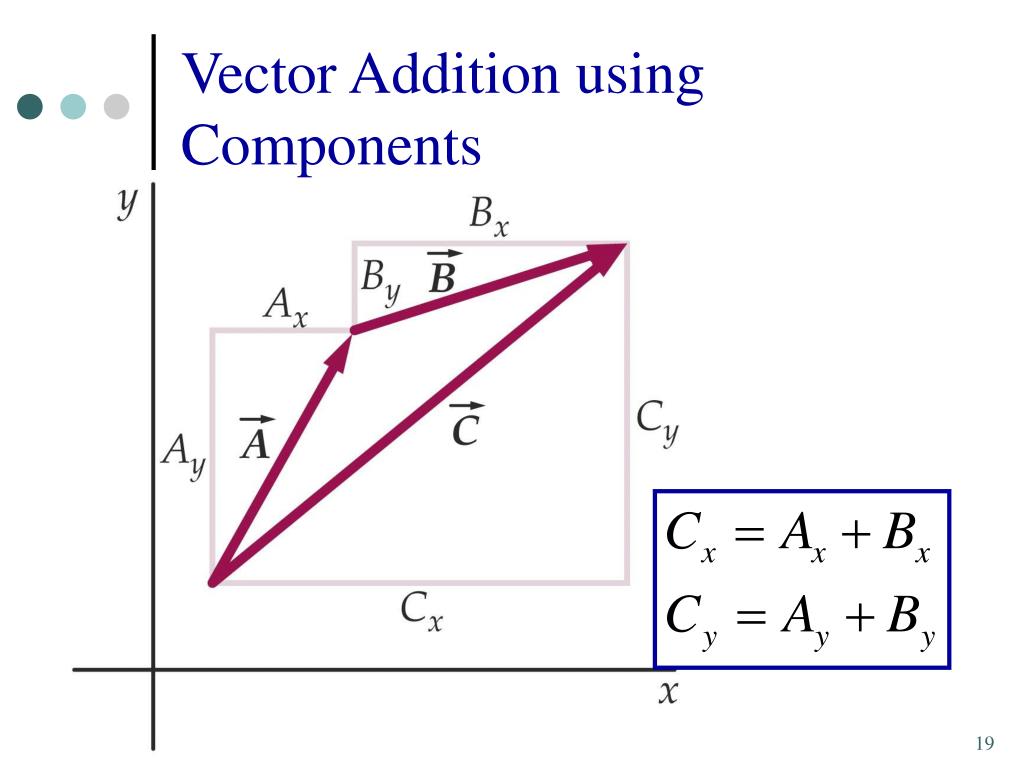
Vector itself is just an x;y coordinate, but it can be both an absolute coordinate or a relative vector, depends on how you use it. In figure we show the vectors →r (t) r → ( t) and →r (t+ δt), r → ( t + δ t), which give the position of a particle moving along a path represented by the gray line. When we subtract a velocity vector from another velocity vector, the result is:
When A Zero Vector Is Added To Another Vector ,.
Mass 3) when we subtract a velocity vector from another velocity vector, the result is: A scalar 5) a student adds two. When we add a displacement vector to another displacement vector, the result is:
The Accelerometer Of A Vehicle Registers 22.0M/S^2.
We take the radius of earth as 6370 km, so the length of each position vector is 6770 km. Where the horizontal and vertical components of the. When we add a displacement vector to another displacement vector, the result is:
When We Subtract A Velocity Vector From Another Velocity Vector,The Result Is.
That is vector a plus vector b. 10+ million students use quizplus to study and prepare for their homework, quizzes and exams through 20m+ questions in 300k quizzes. Vector subtraction also works when the two vectors are given in component form or as column vectors.
When We Subtract A Velocity Vector From Another Velocity Vector, The Result Is:
In figure we show the vectors →r (t) r → ( t) and →r (t+ δt), r → ( t + δ t), which give the position of a particle moving along a path represented by the gray line. A student adds two vectors with magnitudes of 200 and 40. This is the steering force.
For Example, We Can Store Position Of A Pod In A Vector, Velocity In Another Vector, And A 3Rd Vector For Pod's Direction.
Vector itself is just an x;y coordinate, but it can be both an absolute coordinate or a relative vector, depends on how you use it. When we subtract a velocity vector from another velocity vector, the result is: The resulting vector becomes the boid's acceleration.

Post a Comment for "When We Subtract A Velocity Vector From Another Velocity Vector, The Result Is:"