When We Add A Displacement Vector To Another Displacement Vector, The Result Is
When We Add A Displacement Vector To Another Displacement Vector, The Result Is. To add these two displacement vectors, follow these steps: If we were to take these two position vectors and subtract the first from the second, then the result would be a vector that we can call 𝑑.
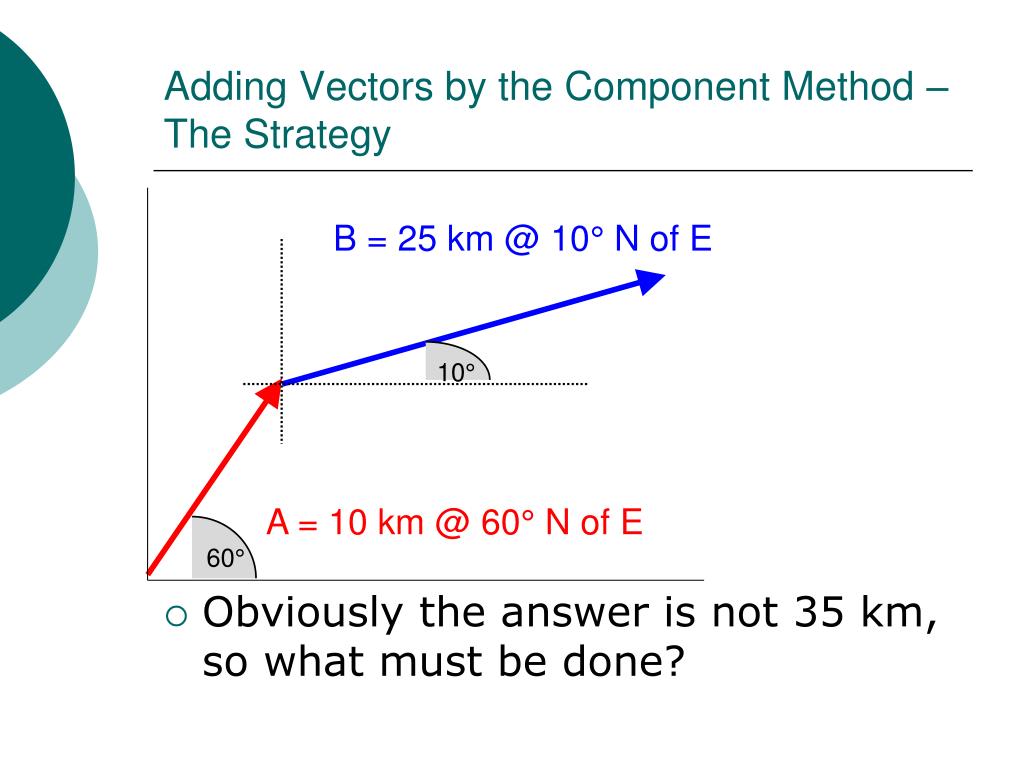
In physics, just as you can add two numbers to get a third number, you can add two vectors to get a resultant vector. Vector a points north and vector b points east. This set is often in folders with.
Posted Onaugust 3, 2021By Quizs.
Let a (xa, ya, za) be that point and b (bx, by, bz) be that vector, then the equation we seek is. When we add a displacement vector to another displacement vector, the result is: What is meant by the resultant of two displacement?
The Net Displacement Is Shown In Figure 2.7.
The displacement vector is the change in position of an object or the far an object is from its starting point. Two or more vectors can be added to form another vector. The fact that voyager 1 continues to speed out of the solar system, even though its rockets have no fuel, is an example of.
In Physics, Just As You Can Add Two Numbers To Get A Third Number, You Can Add Two Vectors To Get A Resultant Vector.
They’re similar, but not quite identical. When we add a displacement vector to another displacement vector,the result is a) a velocity. • x and y are independent!
It Is Very Easy To Understand The Concept Of Vector Addition Through An Activity Using The Displacement Vector.
The set of points in space. The vector sum is called the resultant vector. When we add a displacement vector to another displacement vector, the result is:
When We Add A Displacement Vector To Another Displacement Vector, The Result Is:
It is a vector that points from the initial position to the final position. If we were to take these two position vectors and subtract the first from the second, then the result would be a vector that we can call 𝑑. When we add a displacement vector to another displacement vector, the result is:

Post a Comment for "When We Add A Displacement Vector To Another Displacement Vector, The Result Is"